

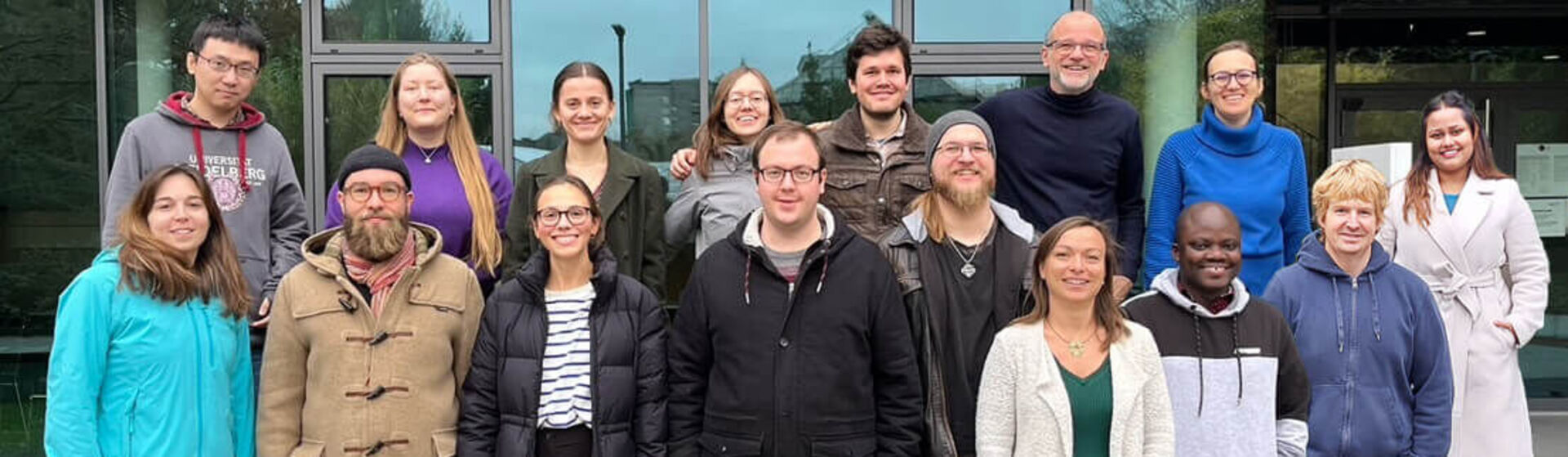
Die AG Frischknecht im Detail
Aktuelle Mitarbeiter*innen
Prof. Dr. Friedrich Frischknecht (AG-Leiter, seit 2005)
Dr. Julia Sattler (Postdoc, seit 2014 in der AG Frischknecht)
Dr. Mirko Singer (Postdoc, seit 2022)
Dr. Yannik Voß (Postdoc, seit 2024)
Long Chun (Doktorandin, seit 2025)
Buyuan He (Doktorand, seit 2021)
Dongwan Zhang (Doktorandin, seit 2025)
Yvonne Sokolowski (Doktorandin, seit 2024)
Kevin Walz (Doktorand, seit 2021)
Lars Sippmann (med. Doktorarbeit, seit 2024)
Maximilian Winter (med. Doktorarbeit, seit 2025)
Miriam Reinig (TA)
Lilian Dorner (MSc Student, seit 2024)
Lena Haaga (MSc Studentin, 2024)
Marzia Matejcek (MSc Studentin, 2024-2025; HiWi, seit 2025)
& diverse BSc Studierende :-)
SPOT: a web-tool enabling swift profiling of transcriptomes
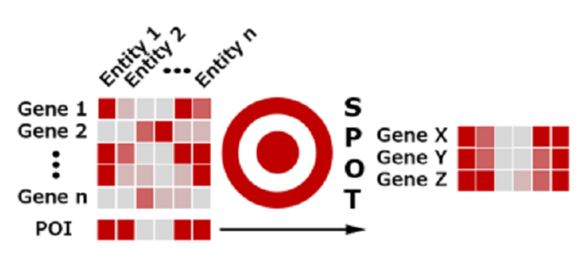
The Frischknecht lab proudly presents SPOT (Swift Profiling Of Transcriptomes), a web tool that allows not only differential expression analysis but also fast ranking of genes fitting transcription profiles of interest.
Stellenangebote
Wir haben in der Regel immer offene Stellen für med. Doktoranden sowie Masterstudenten. Bei Interesse an der Arbeit in einem interaktiven Team und interdisziplinären Umfeld unter Anwendung revers-genetischer Ansätze sowie modernster Mikroskopietechniken und sofern keine Angst vor neuen Herausforderungen und biophysikalischen Methoden besteht, einfach Lebenslauf, zwei Empfehlungsschreiben und ein einseitiges Motivationsschreiben in einem einzigen PDF-Dokument einreichen. Wir haben in der Regel auch einige freie Stellen für Kurzzeitaufenthalte von mindestens 6 Wochen. Hierfür genügt eine formlose Anfrage an "fratsch(at)gmail.com".
Visualisierung der Übertragung von Malaria
Malaria wird während der Blutmahlzeit der Anopheles-Mücke übertragen, wenn Plasmodium-Sporozoiten in die Haut injiziert werden. Diese Sporozoiten sind sehr beweglich und nutzen ein einzigartiges Motilitätssystem, das es ihnen ermöglicht, sich im Gewebe zu bewegen, um in den Blutkreislauf zu gelangen. Dieses Motilitätssystem ist auch wichtig für das Eindringen in eine Vielzahl von Zelltypen in verschiedenen Stadien des Plasmodium-Lebenszyklus und damit für den erfolgreichen Verlauf des Infektionszyklus des Malariaparasiten.
Vier Projekte befassen sich mit verschiedenen Aspekten der Biologie von Sporozoiten. Ein Projekt untersucht die Borrelien der Lyme-Borreliose.
Projekt 1: Deletion und Modifikation von Genen, die an der gleitenden Bewegung des Parasiten beteiligt sind
Projekt 2: Untersuchung der biophysikalischen Grundlagen des Gleitens durch Messung der Kräfte, die Sporozoiten auf flexiblen und nano-gemusterten Substraten sowie mit Laserfallen erzeugen
Projekt 3: Quantitative in vivo und in vitro Bildgebung von Sporozoiten und deren Interaktion mit Zellen und Substraten
Projekt 4: Untersuchung der Sporozoitenbildung in 3D mit hoher Auflösung mittels Kryo-Elektronentomographie, korrelativer Licht- und Elektronenmikroskopie
Projekt 5: Untersuchung von Lyme-Borrelien
Kurse und Schulungen
Fortgeschrittenen Schulungen:
Kurse über Mikroskopie und Bildgebung von Wirt-Pathogen-Interaktionen (z. B.: EMBO World Cup Kurs in Südafrika), WACCBIP Zellbiologiekurs [Legon, Ghana], Zellbiologie von Malaria [Bahir Dar, Äthiopien], Kurs zur Biologie von Parasitismus [Woods Hole, USA])
Wissenschaft und Gesellschaft:
Heidelberger Forum für Biowissenschaften und Gesellschaft.
Ein Wort zu den Geldgebern
Für vergangene und aktuelle Finanzierungen danken wir den folgenden Institutionen:
Alexander von Humboldt Stiftung (Postdoc Stipendien für N. Dahan & C. Matos),
Chica and Heinz Schaller Stiftung (AG-Leiter Stipendium für F. Frischknecht),
European Molecular Biology Organization,
EU Network of Excellence EVIMalaR (Doktorandenförderung für K. Bane),
EU-FP7 (InterMalTraining – gemeinsamer Doktorand mit Maria Mota),
European Research Council (ERC starting grant),
Deutscher Akademischer Austauschdienst (DAAD, Promotionsstipendien für H. Kumar, M. Muthinja und S. Panda),
Deutsches Zentrum für Infektionsforschung (DZIF),
Bundesministerium für Bildung und Forschung (BMBF, Biofuture und NGFN Programme),
Deutsche Forschungsgemeinschaft (DFG through SFB 544, SFB 1129, SPP 1128, SPP 1464, Coronin, Marsilius Kolleg, SPP 2225, SPP 2332),
Hartmut Hoffmann-Berling International Graduate School of Molecular and Cellular Biology Heidelberg (Promotionsstipendium für B. Spreng),
Human Frontier Science Program Organization (gemeinsame Projekte mit Dave Kovar, Anne Houdusse und Jake Baum),
Klaus-Georg-und-Sigrid-Hengstberger Stiftung,
Marie Curie Action of the EU (postdoc fellowship for S. Egarter),
Ministerium für Wissenschaft, Forschung und Kunst Baden-Württemberg (Health + Life Science Alliance Heidelberg Mannheim)
Exzellenz Cluster CellNetworks der Universität Heidelberg (Postdoc Stipendien für L. Lemgruber und R. Douglas),
Frontier Programmm der Universität Heidelberg (gemeinsame Projekte mit Ulrich Schwarz, Christian Boehm, Michael Boutros, Carmen Ruiz de Almodovar und Rebekka Wade),
Medizinische Fakultät der Universität Heidelberg
Wellcome Trust (Discovery Preis zusammen mit Rob Moon)
Kooperationspartner - früher und heute
Wolfgang Baumeister (Martinsried), Martin Baumgartner (Zurich), Martin Beck (EMBL), Oliver Billker (Cambridge), Jürgen Bosch (Baltimore), Michael Boutros (Heidelberg), Marek Cyrklaff (Heidelberg), Ulrike Engel (Heidelberg), Oliver Fackler (Heidelberg), Volker Heussler (Bern), Anne Houdusse (Paris), David Kovar (Chicago), Misha Kudryashev (Berlin), Inari Kursula (Bergen and Oulu), Sebastian Lourido (MIT), Julia Mahamid (EMBL), Gunnar Mair (Ames), Matthias Marti (Glasgow), Kai Matuschewski (Berlin), Alex Mayer (Canberra), Markus Meissner (Munich), Maria Mota (Lisboa), Stuart Ralph (Melbourne), Melanie Rug (Canberra), Carmen Ruiz de Almodòvar (Heidelberg), Ulrich Schwarz (Heidelberg), Inga Sidem Kiamos (Heraklion), Photini Sinnis (Baltimore), Dominique Soldati-Favre (Geneva), Joachim Spatz (Stuttgart), Rebecca Wade (Heidelberg), Reinhard Wallich (Heidelberg), Andy Waters (Glasgow)
Ausgewählte Publikationen der AG Frischknecht
=> Bücher etc.
F. Frischknecht, Parasiten - Insekten, Würmer, Einzeller – verdrängte Plagegeister?, Springer Essentials, 2020
F. Frischknecht, Malaria - Tödliche Parasiten, spannende Forschung und kein Impfstoff, Springer Essentials, 2018
J. Baum, and F. Frischknecht, Motorizing Pathogens, Semin Cell Dev Biol, 46, 78-81, 2015.
F. Frischknecht, M. M. Mota, A. Scherf and A. P. Waters (eds), Malaria, a special themed issue of Cellular Microbiology, 16 (5), 599-795, 2014.
F. Frischknecht and S.L. Shorte (eds), Imaging host-pathogen interactions, Biotechnology Journal, Wiley-Blackwell, 4 (6), 773-948, 2009.
S. L. Shorte, F. Frischknecht (eds), Imaging Cellular and Molecular Biological Functions, Springer Verlag, 2007.
=> Reviews
Singer M, Frischknecht F. Still running fast: Plasmodium ookinetes and sporozoites 125 years after their discovery. Trends Parasitol. 2023 Oct 19:S1471-4922(23)00236-2. doi: 10.1016/j.pt.2023.09.015. Epub ahead of print. PMID: 37865610.
Ferreira JL, Frischknecht F. Parasite microtubule arrays. Curr Biol. 2023 Aug 21;33(16):R845-R850. doi: 10.1016/j.cub.2023.07.001. PMID: 37607476.
Frischknecht F, Enninga J. Actin subversion for productive Plasmodium hepatocyte invasion. Trends Parasitol. 2023 May;39(5):319-320. doi: 10.1016/j.pt.2023.03.003. Epub 2023 Mar 15. PMID: 36931922.
F. Hentzschel, and F. Frischknecht, Still enigmatic: Plasmodium oocysts 125 years after their discovery. Trends Parasitol. 2022 Jun 14:S1471-4922(22)00130-1. doi: 10.1016/j.pt.2022.05.013. Epub ahead of print. PMID: 35715304.
M. De Niz, F. Spadin, M. Marti, J.V. Stein, M. Frenz, F. Frischknecht, Toolbox for In Vivo Imaging of Host-Parasite Interactions at Multiple Scales. Trends Parasitol, doi: 10.1016/j.pt.2019.01.002, 2019.
J. M. Muthinja, J. Ripp, T. Kruger, A. Imle, T. Haraszti, O. T. Fackler, J. P. Spatz, M. Engstler, and F. Frischknecht, Tailored Environments to Study Motile Cells and Pathogens, Cell Microbiol, 20, 2018.
M. Cyrklaff, F. Frischknecht, and M. Kudryashev, Functional Insights into Pathogen Biology from 3d Electron Microscopy, FEMS Microbiol Rev, 41, 828-53, 2017.
M. De Niz, P. C. Burda, G. Kaiser, H. A. Del Portillo, T. Spielmann, F. Frischknecht, and V. T. Heussler, Progress in Imaging Methods: Insights Gained into Plasmodium Biology, Nat Rev Microbiol, 15, 37-54, 2017.
F. Frischknecht, and K. Matuschewski, Plasmodium Sporozoite Biology, Cold Spring Harb Perspect Med, 7, 2017.
M. Singer, and F. Frischknecht, Time for Genome Editing: Next-Generation Attenuated Malaria Parasites, Trends Parasitol, 33, 202-13, 2017.
R. G. Douglas, R. Amino, P. Sinnis, and F. Frischknecht, Active Migration and Passive Transport of Malaria Parasites, Trends Parasitol, 31, 357-62, 2015.
F. Frischknecht, Biological warfare: from history to current affairs, eLS, 2014.
M. Meissner, D. Fergusson and F. Frischknecht, Invasion factors of apicomplexan parasites: Essential or redundant? Current Opinion in Microbiology, 16, 438-444, 2013.
M. Singer and F. Frischknecht, Challenges of imaging parasite transmission, Methods in Enzymology, 506, 19-33, 2012.
F. Frischknecht, Imaging parasites at different scales, Cell Host & Microbe, 8, 16-21, 2010.
F. Frischknecht, M. Gunzer and S.L. Shorte, Birth of the cool: Imaging and microbiology from lbn al-Haytham to Leewenhoek and Comandon, Biotechnology Journal, 4, 787-790, 2009.
S. Lepper, S. Münter, Spotlight on pathogens: Imaging Host-pathogen Interactions, Cellular Microbiology, 11, 855-862, 2009.
F. Frischknecht, The skin as interface in the transmission of arthropod-borne pathogens, Cellular Microbiology, 7, 1630-1640, 2007.
F. Frischknecht, O. Renaud, and S. L. Shorte, Imaging today's infectious animalcules, Current Opinion in Microbiology, 9, 297-306, 2006.
S. Münter, M. Way, and F. Frischknecht, Signaling during pathogen infection, Science STKE, re5, 2006.
R. Amino, R. Menard and F. Frischknecht, In vivo imaging of malaria parasites - recent advances and future perspectives, Current Opinion in Microbiology, 8, 407-414, 2005.
F. Frischknecht, and M. Way, Surfing pathogens and the lessons learned for actin polymerization, Trends in Cell Biology, 11, 30-38, 2001.
=> Originalarbeiten
Darif N, Albers J, Ronchi P, Duke L, Frischknecht F, Schwab Y. From Organ to Organelle: towards a Multimodal 3D Cell Atlas of the Malaria Parasite Mosquito stages using Correlative Light, X-ray and volume Electron Microscopy. Microsc Microanal. 2023 Jul 22;29(29 Suppl 1):1195-1196. doi: 10.1093/micmic/ozad067.615. PMID: 37613241.
Braumann F, Klug D, Kehrer J, Song G, Feng J, Springer TA, Frischknecht F. Conformational change of Plasmodium TRAP is essential for sporozoite migration and transmission. EMBO Rep. 2023 Jul 5;24(7):e57064. doi: 10.15252/embr.202357064. Epub 2023 Jun 12. PMID: 37306042; PMCID: PMC10328070.
Pashapour S, Seneca S, Schröter M, Frischknecht F, Platzman I, Spatz J. Design and Development of Extracellular Matrix Protein-Based Microcapsules as Tools for Bacteria Investigation. Adv Healthc Mater. 2023 Apr;12(11):e2202789. doi: 10.1002/adhm.202202789. Epub 2023 Jan 16. PMID: 36599129.
Ferreira JL, Pražák V, Vasishtan D, Siggel M, Hentzschel F, Binder AM, Pietsch E, Kosinski J, Frischknecht F, Gilberger TW, Grünewald K. Variable microtubule architecture in the malaria parasite. Nat Commun. 2023 Mar 3;14(1):1216. doi: 10.1038/s41467-023-36627-5. PMID: 36869034; PMCID: PMC9984467.
Wichers-Misterek JS, Binder AM, Mesén-Ramírez P, Dorner LP, Safavi S, Fuchs G, Lenz TL, Bachmann A, Wilson D, Frischknecht F, Gilberger TW. A Microtubule-Associated Protein Is Essential for Malaria Parasite Transmission. mBio. 2023 Feb 28;14(1):e0331822. doi: 10.1128/mbio.03318-22. Epub 2023 Jan 10. PMID: 36625655; PMCID: PMC9973338.
Kehrer J, Pietsch E, Heinze J, Spielmann T, Frischknecht F. Clearing of hemozoin crystals in malaria parasites enables whole-cell STED microscopy. J Cell Sci. 2023 Jan 1;136(1):jcs260399. doi: 10.1242/jcs.260399. Epub 2023 Jan 9. PMID: 36511329.
Yee M, Walther T, Frischknecht F, Douglas RG. Divergent Plasmodium actin residues are essential for filament localization, mosquito salivary gland invasion and malaria transmission. PLoS Pathog. 2022 Aug 23;18(8):e1010779. doi: 10.1371/journal.ppat.1010779. PMID: 35998188; PMCID: PMC9439217.
Wai CH, Jin J, Cyrklaff M, Genoud C, Funaya C, Sattler J, Maceski A, Meier S, Heiland S, Lanzer M, Frischknecht F, Kuhle J, Bendszus M, Hoffmann A. Neurofilament light chain plasma levels are associated with area of brain damage in experimental cerebral malaria. Sci Rep. 2022 Jun 24;12(1):10726. doi: 10.1038/s41598-022-14291-x. PMID: 35750882; PMCID: PMC9232608.
Patra P, Beyer K, Jaiswal A, Battista A, Rohr K, Frischknecht F, Schwarz US. Collective migration reveals mechanical flexibility of malaria parasites. Nature Physics 2022 May 13. doi: 10.1038/s41567-022-01583-2
Ripp J, Smyrnakou X, Neuhoff MT, Hentzschel F, Frischknecht F. Phosphorylation of myosin A regulates gliding motility and is essential for Plasmodium transmission. EMBO Rep. 2022 May 4:e54857. doi: 10.15252/embr.202254857. Epub ahead of print. PMID: 35506479.
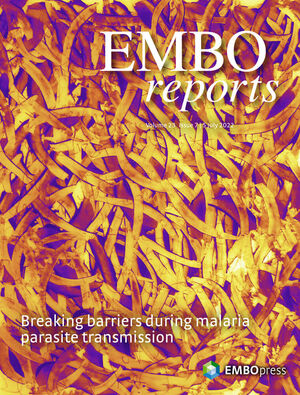
Kehrer J, Formaglio P, Muthinja JM, Weber S, Baltissen D, Lance C, Ripp J, Grech J, Meissner M, Funaya C, Amino R, Frischknecht F. Plasmodium sporozoite disintegration during skin passage limits malaria parasite transmission. EMBO Rep. 2022 Apr 11:e54719. doi: 10.15252/embr.202254719. Epub ahead of print. PMID: 35403820.
Klaus S, Binder P, Kim J, Machado M, Funaya C, Schaaf V, Klaschka D, Kudulyte A, Cyrklaff M, Laketa V, Höfer T, Guizetti J, Becker NB, Frischknecht F, Schwarz US, Ganter M. Asynchronous nuclear cycles in multinucleated Plasmodium falciparum facilitate rapid proliferation. Sci Adv. 2022 Apr;8(13):eabj5362. doi: 10.1126/sciadv.abj5362. Epub 2022 Mar 30. PMID: 35353560; PMCID: PMC8967237.
Jin J, Ba MA, Wai CH, Mohanty S, Sahu PK, Pattnaik R, Pirpamer L, Fischer M, Heiland S, Lanzer M, Frischknecht F, Mueller AK, Pfeil J, Majhi M, Cyrklaff M, Wassmer SC, Bendszus M, Hoffmann A. Transcellular blood-brain barrier disruption in malaria-induced reversible brain edema. Life Sci Alliance. 2022 Mar 8;5(6):e202201402. doi: 10.26508/lsa.202201402. PMID: 35260473; PMCID: PMC8905774.
Kimmel J, Kehrer J, Frischknecht F, Spielmann T. Proximity-dependent biotinylation approaches to study apicomplexan biology. Mol Microbiol. 2022 Mar;117(3):553-568. doi: 10.1111/mmi.14815. Epub 2021 Oct 22. PMID: 34587292.
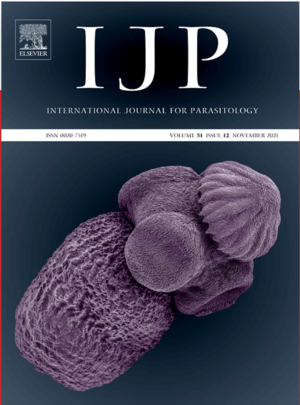
Miles S, Magnone J, García-Luna J, Ancarola ME, Cucher M, Dematteis S, Frischknecht F, Cyrklaff M, Mourglia-Ettlin G. Ultrastructural characterization of the tegument in protoscoleces of Echinococcus ortleppi. Int J Parasitol. 2021 Nov;51(12):989-997. doi: 10.1016/j.ijpara.2021.05.004. Epub 2021 Jun 30. PMID: 34216624.
Beyer K, Kracht S, Kehrer J, Singer M, Klug D, Frischknecht F. Limited Plasmodium sporozoite gliding motility in the absence of TRAP family adhesins. Malar J. 2021 Oct 30;20(1):430. doi: 10.1186/s12936-021-03960-3. PMID: 34717635; PMCID: PMC8557484.
Kimmel J, Kehrer J, Frischknecht F, Spielmann T. Proximity-dependent biotinylation approaches to study apicomplexan biology. Mol Microbiol. 2021 Sep 29. doi: 10.1111/mmi.14815. Epub ahead of print. PMID: 34587292.
Ganter M, Frischknecht F. Illuminating Plasmodium invasion by lattice-light-sheet microscopy. Trends Parasitol. 2021 Sep;37(9):777-779. doi:10.1016/j.pt.2021.07.008. Epub 2021 Jul 28. PMID: 34332896.
Farr EB, Sattler JM, Frischknecht F. SPOT: a web-tool enabling swift profiling of transcriptomes. Bioinformatics. 2021 Jul 21:btab541. doi:10.1093/bioinformatics/btab541. Epub ahead of print. PMID: 34289024; PMCID:PMC8406885.
Miles S, Magnone J, García-Luna J, Ancarola ME, Cucher M, Dematteis S, Frischknecht F, Cyrklaff M, Mourglia-Ettlin G. Ultrastructural characterization of the tegument in protoscoleces of Echinococcus ortleppi. Int J Parasitol. 2021 Nov;51(12):989-997. doi:10.1016/j.ijpara.2021.05.004. Epub 2021 Jun 30. PMID:34216624.
Soni K, Kempf G, Manalastas-Cantos K, Hendricks A, Flemming D, Guizetti J, Simon B, Frischknecht F, Svergun DI, Wild K, Sinning I. Structural analysis of the SRP Alu domain from Plasmodium falciparum reveals a non-canonical open conformation. Commun Biol. 2021 May 20;4(1):600. doi:10.1038/s42003-021-02132-y. PMID: 34017052; PMCID: PMC8137916.
Guizetti J, Frischknecht F. Apicomplexans: A conoid ring unites them all. PLoS Biol. 2021 Mar 11;19(3):e3001105. doi: 10.1371/journal.pbio.3001105. PMID:33705378; PMCID: PMC7951970.
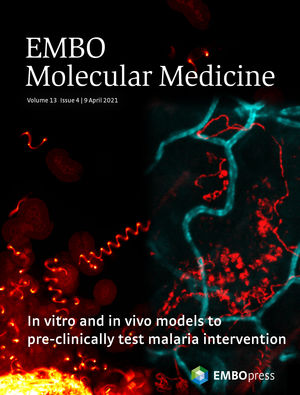
Ripp J, Kehrer J, Smyrnakou X, Tisch N, Tavares J, Amino R, Ruiz de Almodovar C, Frischknecht F. Malaria parasites differentially sense environmental elasticity during transmission. EMBO Mol Med. 2021 Apr 9;13(4):e13933. doi:10.15252/emmm.202113933. Epub 2021 Mar 5. PMID: 33666362; PMCID: PMC8033522.
Wack M, Wiegand T, Frischknecht F, Cavalcanti-Adam EA. An in vitro DNA Sensor-based Assay to Measure Receptor-specific Adhesion Forces of Eukaryotic Cells and Pathogens. Bio Protoc. 2020 Sep 5;10(17):e3733. doi: 10.21769/BioProtoc.3733. PMID: 33659394; PMCID: PMC7842386.
Singer M, Frischknecht F. Fluorescent tagging of Plasmodium circumsporozoite protein allows imaging of sporozoite formation but blocks egress from oocysts. Cell Microbiol. 2021 May;23(5):e13321. doi: 10.1111/cmi.13321. Epub 2021 Mar 15. PMID: 33600048.
Egarter S, Santos JM, Kehrer J, Sattler J, Frischknecht F, Mair GR. Gliding motility protein LIMP promotes optimal mosquito midgut traversal and infection by Plasmodium berghei. Mol Biochem Parasitol. 2021 Jan;241:111347. doi:10.1016/j.molbiopara.2020.111347. Epub 2020 Dec 24. PMID: 33347893; PMCID:PMC7856051.
Quadt KA, Smyrnakou X, Frischknecht F, Böse G, Ganter M. Plasmodium falciparum parasites exit the infected erythrocyte after haemolysis with saponin and streptolysin O. Parasitol Res. 2020 Dec;119(12):4297-4302. doi:10.1007/s00436-020-06932-9. Epub 2020 Oct 22. PMID: 33089360.
Harding CR, Frischknecht F. The Riveting Cellular Structures of Apicomplexan Parasites. Trends Parasitol. 2020 Dec;36(12):979-991. doi:10.1016/j.pt.2020.09.001. Epub 2020 Sep 30. PMID: 33011071.
De Niz M, Kehrer J, Brancucci NMB, Moalli F, Reynaud EG, Stein JV, Frischknecht F. 3D imaging of undissected optically cleared Anopheles stephensi mosquitoes and midguts infected with Plasmodium parasites. PLoS One. 2020 Sep 16;15(9):e0238134. doi: 10.1371/journal.pone.0238134. PMID: 32936796; PMCID:PMC7494115.
Klug D, Goellner S, Kehrer J, Sattler J, Strauss L, Singer M, Lu C, Springer TA, Frischknecht F., Evolutionarily distant I domains can functionally replace the essential ligand-binding domain of Plasmodium TRAP. Elife. 9:e57572, 2020. (for the interested public: see also the respecitve elife digest article as well as the UKHD press release (the latter in German))
Miles S, Magnone J, Cyrklaff M, Arbildi P, Frischknecht F, Dematteis S, Mourglia-Ettlin G. Linking murine resistance to secondary cystic echinococcosis with antibody responses targeting Echinococcus granulosus tegumental antigens. Immunobiology. 225(3):151916, 2020.
C. A. Moreau, K. A. Quadt, H. Piirainen, H. Kumar, S. P. Bhargav, L. Strauss, N. H. Tolja, R. C. Wade, J. P. Spatz, I. Kursula and F. Frischknecht, A function of profilin in force generation during malaria parasite motility independent of actin binding. Journal of Cell Science, 134, jcs233775, 2020.
H. Kumar, J. Kehrer, M. Singer, M. Reinig, J. M. Santos, J. Gomes, G. R. Mair and F. Frischknecht, Functional genetic evaluation of DNA house-cleaning enzymes as malaria drug targets: dUTPase and Ap4AH are essential in Plasmodium berghei but ITPase and NDH are not, Expert Opinion on Therapeutic Targets, 23, 251-261, 2019.
S. Miles, M. Portela, M. Cyrklaff, M. E. Ancarola, F. Frischknecht, R. Duran, S. Dematteis and G. Mourglia-Ettlin, Combining proteomics and bioinformatics to explore novel tegumental antigens as vaccine candidates against Echinococcus granulosus infection, Journal of Cellular Biochemistry, 120, 15320-15336, 2019.
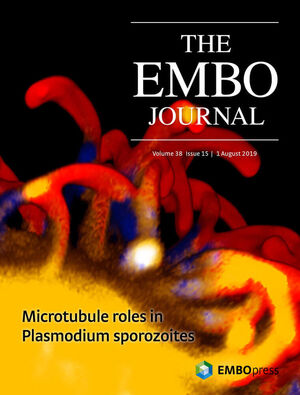
B. Spreng, H. Fleckenstein, P. Kübler, C. Di Biagio, M. Benz, P. Partra, U. S. Schwarz, M. Cyrklaff and F. Frischknecht, Microtubule length and number determine shape and infectivity in Plasmodium, EMBO Journal, 38, e100984, 2019. (=> see also the YouTube video summarizing the results)
D. Klug, J. Kehrer, F. Frischknecht, M. Singer, A synthetic promoter for multi-stage expression to probe complementary functions of Plasmodiumadhesins, Journal of Cell Science 131, 20, 2018.
R.G. Douglas, M. Reinig, M. Neale, F. Frischknecht, Screening for potential prophylactics targeting sporozoite motility through the skin, Malaria Journal. 17, 319, 2018.
R.G. Douglas, P. Nandekar, J.E. Aktories, H. Kumar, R. Weber, J.M. Sattler, M. Singer, S. Lepper, S.K. Sadiq, R.C. Wade, F. Frischknecht, Inter-subunit interactions drive divergent dynamics in mammalian and Plasmodium actin filaments, PLoS Biology 16, e2005345, 2018.
H. Prinz, J.M. Sattler, A. Roth, J. Ripp, J.H. Adams, F. Frischknecht, Immunization efficacy of cryopreserved genetically attenuated Plasmodium berghei sporozoites, Parasitology Research117, 2487-249, 2018.
C. A. Moreau, S. P. Bhargav, H. Kumar, K. A. Quadt, H. Piirainen, L. Strauss, J. Kehrer, M. Streichfuss, J.P. Spatz, R. C. Wade, I. Kursula, and F. Frischknecht, A Unique Profilin-Actin Interface Is Important for Malaria Parasite Motility, PLoS Pathog, 13 e1006412, 2017. (=> see also the YouTube video summarizing the results)
J. M. Santos, S. Egarter, V. Zuzarte-Luis, H. Kumar, C. A. Moreau, J. Kehrer, A. Pinto, M. D. Costa, B. Franke-Fayard, C. J. Janse, F. Frischknecht, and G. R. Mair, Malaria Parasite Limp Protein Regulates Sporozoite Gliding Motility and Infectivity in Mosquito and Mammalian Hosts, Elife, 6, 2017.
D. Klug, and F. Frischknecht, Motility Precedes Egress of Malaria Parasites from Oocysts, Elife, 6, 2017.
M. J. Muthinja, J. Ripp, J. K. Hellmann, T. Haraszti, N. Dahan, L. Lemgruber, A. Battista, L. Schutz, O. T. Fackler, U. S. Schwarz, J. P. Spatz, and F. Frischknecht, Microstructured Blood Vessel Surrogates Reveal Structural Tropism of Motile Malaria Parasites, Adv Healthc Mater, 6, 2017.
K. S. Bane, S. Lepper, J. Kehrer, J. M. Sattler, M. Singer, M. Reinig, D. Klug, K. Heiss, J. Baum, A. K. Mueller, and F. Frischknecht, The Actin Filament-Binding Protein Coronin Regulates Motility in Plasmodium Sporozoites, PLoS Pathog, 12, 2016.
J. Kehrer, M. Singer, L. Lemgruber, P. A. Silva, F. Frischknecht, and G. R. Mair, A Putative Small SoluteTransporter Is Responsible for the Secretion of G377 and Trap-Containing Secretory Vesicles During Plasmodium Gamete Egress and Sporozoite Motility, PLoS Pathog, 12 (2016), e1005734.
J.Kehrer, F. Frischknecht and G. R. Mair, Proteomic analysis of the Plasmodium berghei gametocyte egressome and vesicular bioID of osmiophilic body proteins identifies MTRAP as an essential factor for parasite transmission, Mol Cell Proteomics, 2016.
H.Kumar, J.M. Sattler, M. Singer, K. Heiss, M. Reinig, C. Hammerschmidt-Kamper, V. Heussler, A.K. Mueller and F. Frischknecht, Protective efficacy and safety of liver stage attenuated malaria parasites, Sci Reports, 6, 2016.
D. Klug, G. R. Mair, F. Frischknecht, and R. G. Douglas, A Small Mitochondrial Protein Present in Myzozoans Is Essential for Malaria Transmission, Open Biol, 6, 2016.
K. A. Quadt, M. Streichfuss, C. A. Moreau, J. P. Spatz, and F. Frischknecht, Coupling of Retrograde Flow to Force Production During Malaria Parasite Migration, ACS Nano, 10, 2091-102, 2016. (=> see also the YouTube video summarizing the results)
M. Singer, J. Marshall, K. Heiss, G. R. Mair, D. Grimm, A. K. Mueller, and F. Frischknecht, Zinc Finger Nuclease-Based Double-Strand Breaks Attenuate Malaria Parasites and Reveal Rare Microhomology-Mediated End Joining, Genome Biol, 16, 249, 2015. (=> see also the YouTube video summarizing the results)
A.C. Carey, M. Singer, D. Barigieri, F. Frischknecht, R. Menard and R. Amino, Calcium dynamics of Plasmodium berghei sporozoite motility, Cellular Microbiology, 16, 768-783, 2014.
J. K. Hellmann, N. Perschmann, J. P. Spatz and F. Frischknecht, Tunable substrates unveil chemical complementation of a genetic cell migration defect, Advanced Healthcare Materials, 2, 1162-1169, 2013.
L. Lemgruber, M. Kudryashev, C. Dekiwadia, D. Riglar, J. Baum, H. Stahlberg, S. A. Ralph and F. Frischknecht, Cryo-electron tomography reveals four membrane architecture of the Plasmodium apicoplast. Malaria Journal 12, 25, 2013.
K. Kühni, M. Ma, L. Lemgruber, M. Cyrklaff, F. Frischknecht, V. Gaschen, M. Stoffel and M. Baumgartner, Actin-mediated plasma membrane plasticity of the intracellular parasite Theileria annulata, Cellular Microbiology, 14, 1867-1879, 2012.
M. Kudryashev, S. Münter, L. Lemgruber, G. Montagna, K. Matuschewski, H. Stahlberg, M. Meissner, M. Cyrklaff, F. Frischknecht, Structural basis for chirality and directed Plasmodium sporozoite migration, Cellular Microbiology, 14, 1757-1768, 2012.
S. Hegge, K. Uhrig, M. Streichfuss, G. Kynast-Wolf, K. Matuschewski, J.P. Spatz and F. Frischknecht, Direct manipulation of malaria parasites with optical tweezers reveals distinct functions of Plasmodium surface proteins, ACS Nano, 6. 4648-4662, 2012. (see also the YouTube video summarizing the results)
C. S. S. Gomes-Santos, M. A. Itoe, C. Afonso, R. Henriques, R. Gardner, P. D. Simoes, H. Raquel, P. Almeida, L. F. Moita, F. Frischknecht and M. M. Mota, Heptocyte actin polymerization around developing Plasmodium, PLoS One e29408, 2012.
M. Cyrklaff, J. Simpore, C. P. Sanchez, C. Biseye, F. Frischknecht, and M. Lanzer, Hemoglobins S and C interfere with actin remodeling in Plasmodium falciparum-infected erythrocytes. Science334, 1283-1286, 2011.
N. Perschmann, J.K. Hellmann, F. Frischknecht, and J.P. Spatz, Induction of malaria parasite migration by synthetically tunable microenvironments, Nano Letters, 11, 4468-4474, 2011.
J. K. Hellmann, S. Münter, M. Kudryashev, S. Schulz, K. Heiss, A. K. Müller, K. Matuschewski, J. P. Spatz, U. S. Schwarz and F. Frischknecht, Environental constraints guide migration of malaria parasites during transmission, PLoS Pathogens, 7, e1002080, 2011.
M. Kudryashev, M. Cyrklaff, B. Alex, L. Lemgruber, W. Baumeister, R. Wallich and F. Frischknecht, Evidence of direct cell-cell fusion in Borrelia by cryogenic electron tomography, Cellular Microbiology, 13, 731-741, 2011.
S. Hegge, M. Kudryashev, A. Smith and F. Frischknecht, Key factors regulating Plasmodium berghei sporozoite survival and transformation revealed by an automated visual assay, FASEB Journal, 24, 5003-5012, 2010.
S. Hegge, S. Münter, M. Steinbrüchel, K. Heiss, U. Engel, K. Matuschewski and F. Frischknecht, Multi-step adhesion of Plasmodium sporozoites, FASEB Journal, 24, 2222-2234, 2010.
M. Kudryashev, S. Lepper, R. Stanway, S. Bohn, W. Baumeister, M. Cyrklaff and F. Frischknecht, Positioning of large organelles by a membrane associated cytoskeleton in Plasmodium sporozoites, Cellular Microbiology, 12, 362-371, 2010.
M. Kudryashev, M. Cyrklaff, R. Wallich, W. Baumeister and F. Frischknecht, Distinct in situstructures of the Borrelia flagella motor, Journal of Structural Biology, 169, 54-61, 2010.
S. Münter, B. Sabass, C. Selhuber-Unkel, M. Kudryashev, S. Hegge, U. Engel, J. P. Spatz, K. Matuschewski, U. S. Schwarz and F. Frischknecht, Plasmodium sporozoite motility is modulated by the turnover of discrete adhesion sites, Cell Host & Microbe, 6, 551-562, 2009.
S. Hegge, M. Kudryashev, A. Smith, F. Frischknecht, Automated classification of Plasmodiumsporozoite movement patterns reveals a shift towards productive motility during salivary gland infection, Biotechnology Journal, 4, 903-913, 2009.
M. Kudryashev, M. Cyrklaff, W. Baumeister, M.M. Simon, R. Wallich, F. Frischknecht, Comparative cryo-electron tomography of pathogenic Lyme disease spirochetes, Molecular Microbiology, 71, 1415- 1434, 2009.
A. Herm-Götz, C. Agop-Nersesian, S. Münter, J. S. Grimley, T. J. Wandless, F. Frischknecht & M. Meissner, Rapid control of protein level in the apicomplexan Toxoplasma gondii, Nature Methods, 4, 1003 - 1005, 2007.1
M. Cyrklaff, M. Kudryashev, A. Leis, K. Leonard, W. Baumeister, R. Menard, M. Meissner, F. Frischknecht, Cryoelectron tomography reveals periodic material at the inner side of subpellicular microtubules in apicomplexan parasites, Journal of Experimental Medicine, 204, 1281-1287, 2007.
R. Amino, S. Thiberge, B. Martin, S. Celli, S. L. Shorte, F. Frischknecht and R. Ménard, Quantitative imaging of malaria parasite transmission to the mammalian host, Nature Medicine12, 220-224, 2006.
F. Valderrama, J. V. Cordeiro, S. Schleich, F. Frischknecht and M. Way, Vaccinia induced migration and viral morphogenesis requires F11L-mediated inhibition of RhoA signalling, Science 311, 377-381, 2006.
F. Frischknecht, P. Baldacci, B. Martin, C. Zimmer, S. Thiberge, J.-C. Olivo-Marin, S. L. Shorte, and R. Ménard, Imaging movement of malaria parasites during transmission by Anopheles mosquitoes, Cellular Microbiology 6, 687-694, 2004.
F. Frischknecht, V. Moreau, S. Röttger, S. Gonfloni, I. Reckmann, G. Superti-Furga, and M. Way, Actin-based motility of vaccinia virus mimics receptor tyrosine kinase signalling, Nature, 401, 926-929, 1999.
F. Frischknecht, and A. Randall, Voltage- and ligand-gated ion channels in floor plate neuroepithelia of the rat, Neuroscience, 85, 1135-1149, 1998.
=> Wissenschaft und Gesellschaft
F. Frischknecht, Infectious entertainment, Biotechnology Journal, 4, 944-946, 2009.
F. Frischknecht, Small countries are unexpected winners in ERC grant tables, Nature, 454, 690, 2008.
F. Frischknecht, The history of biological warfare, EMBO Reports, 4, 47-52, 2003.
Projekte / Netzwerke
SPP2332 (von der Deutschen Forschungsgemeinschaft gefördertes Schwerpunktprogramm)
SPP2225 (von der Deutschen Forschungsgemeinschaft gefördertes Schwerpunktprogramm)
SFB1129 (von der Deutschen Forschungsgemeinschaft geförderter Sonderforschungsbereich) / siehe auch den Vortrag vom 4 November 2021 (auf Englisch)
Malaria (die meisten Ressourcen sind auf Englisch)
Walt Disney's Klassiker “The winged scourge”
BBC Dokumentation zu Malaria (part 1 of 6)
Dokumentation aus dem Jahr 2007
Dr. Seuss zu Malaria: "This is Ann"
Musik und Malaria: (1) (2 / Stieber Twins-Malaria)
Korrelative Mikroskopie
Wie Moskitos stechen

Postdocs
Marek Cyrklaff, 2008 - 2025
Matthias Wagner, 2023 - 2024
Nathália Ferreira Lima, 2022 - 2024 (Infectotest project)
Juliane Kutzner, 2020 - 2021
Carolina Matos, 2018 - 2021
Ross Douglas, 2013 - 2019, now: Group leader, Justus-Liebig University Gießen
Saskia Egarter, 2014 - 2017, now: Scientific writer
Gunnar Mair, 2012 - 2016, now: PI at University of Iowa, Ames
Noa Dahan, 2014 - 2015, now: Postdoc at Weitzmann Institute Rehovot
Martin Streichfuss, 2013 – 2014, now: Robert Bosch, Reutlingen
Leandro Lemgruber, 2010 – 2012, then: Rockefeller University, now: Head of EM unit, Glasgow University
Claudia Kuss, 2010 – 2012: now: Clinical study analyst, Berlin
Kai Uhrig, 2009, now: Consultant at McKinsey
Sylvia Münter, 2005 – 2009, then: Carl Zeiss München, now: Microscope Facility, Heidelberg University Hospital
Doktoranden
Monami Chowdhury, 2021 - 2025
Annika Binder, 2021 - 2025
Simran Panda, 2021 - 2023
Johanna Ripp, 2016 - 2020
Benjamin Spreng, 2014 – 2018, now with Johnson and Johnson, Switzerland
Katharina Quadt, 2013 – 2018, then: Application specialist, Zendia, Heidelberg, now: Labor Limbach, Heidelberg
Julianne Mendi Muthinja, 2013 – 2017
Konrad Beyer, 2013 – 2016, now: Consultant with Catenion, Berlin
Hirdesh Kumar, 2012 - 2016, now: Postdoc with Tolja Niraj at NIH, USA
Dennis Klug, 2012 – 2017, now: Postdoc with Stephanie Blandin in Strasbourg
Kartik Bane, 2011 – 2016, then Postdoc at Yale, now: Scientific editor, Mumbai
Janina Hellmann (Master, PhD student and Postdoc) 2007 – 2012, now: Teacher at Gymnasium Bruchsal
Simone Lepper, 2007 –2011, then: Arithmeum Museum for Mathematics, Bonn, now: Nikon, Heidelberg
Mikhail Kudryashev, 2005 –2009, then: Group leader at MPI Frankfurt, now: Group leader at MDC Berlin
Stephan Hegge, 2005 –2010 and (Postdoc) 2010 – 2011, now: Associate with consulting company Catenion, Berlin
Technische Assistenten
Carrie Anderson, 2021 - 2024 (Infectotest project)
Katarina Abramovic, 2010 –2011
Iris Arnold, 2009 –2010
Aurore Guiet, 2008
Diana Scheppan, 2005 –2009
Andrea Hecker, 2005
Medizinische Doktoranden
Yann Gomez, 2024 - 2025
David Lubotsky, 2022 - 2024
Smilla Steinbrück, 2023 - 2024 (see also her report on her time in the U.S.)
Luisa Zechel, 2022 - 2023
Aiman Abdelrahim, 2021 - 2022 (see also his report on his time in Sudan)
Joshua Leutiger, 2021 - 2022 (see also his report on his time in Tanzania)
Martin Jäcklin, 2021 - 2022
Cindy Zheng, 2021 - 2022
Bastian Löhning, 2020 - 2021
Friedrich Braumann, 2020 - 2021 (see also his report on his time in Rwanda)
Lukas Keiber, 2020 - 2021
Leon Mühlsteffen, 2020 - 2021
Simon Kracht, 2019 - 2020
Maurizio Wack, 2017 – 2018
Henriette Prinz, 2016 – 2017
Julia Aktories, 2015 – 2016
Katja Haßler, (joint student with Jake Baum) 2015 – 2016
Ulrike Amelung, 2011
Björn Alex, 2008 - 2010
Natalia Lüsebrink 2008 - 2009
MSc Studierende
Fenja Nuglisch, 2024 - 2025
Marzia Matejcek, 2024 - 2025
Maren Gehringer, 2023 - 2025
Katharina Röver, 2023 - 2024
Yvonne Sokolowski, 2022 - 2024
Pratika Agarwal, 2022 - 2023
Shafaq Riaz, 2022
Nathan Ribot, 2021 - 2022
Kevin Walz, 2020 - 2021
Juyeop Kim, 2020 - 2021
Felix Mikus, 2020 - 2021
Philip Ehmann, 2020
Dominic Schwarz, 2019 - 2020
Manuela Aguirre Botero, 2019
Michelle Yee, 2019
Annika Binder, 2019
Xanthoula Smyrnakou, 2019
Martina Nieß, 2019
Emma Pietsch, 2018 - 2019
Nadine Renner, 2018
Claudia Di Biagio, 2017
Hannah Fleckenstein, 2016
Rebekka Weber, 2016
Johanna Kratzer, 2015 -2016
Madlen Konert, 2013 –2014
Jennifer Marschall, 2012 –2013
Conny Bernecker, 2010 –2011
Mirko Singer, 2009
Oliver Mazodze (research student) 2008 –2009
Janina Hellmann, 2007-2008
Luis Barniol, 2007 – 2008
Marion Hliscs (research student), 2006 – 2007
BSc Studierende
Walter Hitschfeld, 2025
Michelle Müller, 2025
Lili Weiß, 2024 - 2025
Louisa Schön, 2023 - 2024
Madleen Piegsa, 2023
David Jewanski, 2023
Nina Droste, 2023
Sina Kühnel, 2023
Lukas Radtke, 2022
Roberta Malamud, 2022
Sina Heineken, 2021
Yvonne Sokolowski, 2021
Meret Hopf, 2021
Christan Simon, 2021
Marilena Wittmaack, 2020
Konstantin Fischer, 2020
Marzia Matejcek, 2020
Elias Farr, 2020
Tobias Walther, 2018
Lisa Nechyporenko, 2018
Nadine Klingberg, 2018
Marie Neuhoff, 2018
Paul Rothhaar, 2018
Dominik Ricken, 2017
Patrick Kübler, 2017
Jaqueline Hammer, 2017
Christian Sommerauer, 2016
Benjamin Lang, 2016
Leanne Strauss, 2016
Sarah Goellner, 2015
Paul Ott, 2014
Michael Staniek, 2014
Polina Mantaj, 2013
Samantha Ebersol, 2013
Elisabeth Singer, 2013
Tony Völtzke, 2013
Dietmar Mehlhorn, 2013
Lucas Schütz, 2011
Andreas Balz, 2010
Jenny Pestl, 2008
Jan-Peter Röderer, 2008
RISE Studenten
The following students enriched our lab for 3 months during summer visits paid by the US-German or Canadian-Baden-Würrtemberg exchange programmes.
Ashley Smith, 2007
Christiana Baloescu, 2008
Carmen Bayly, 2010
Alice Nasto, 2010
Loren Chan, 2011
Olivia Ramsey, 2012
Steven Mee, 2013
Kristina Kelly, 2014
Frea Mehta, 2015
Serina Khater, 2016
Sydney Sparanese, 2017
Für Alumni der Universität Heidelberg siehe
www.alumni.uni-heidelberg.de/en/
Für EMBL Alumni siehe:
www.embl.de/aboutus/alumni/index.html
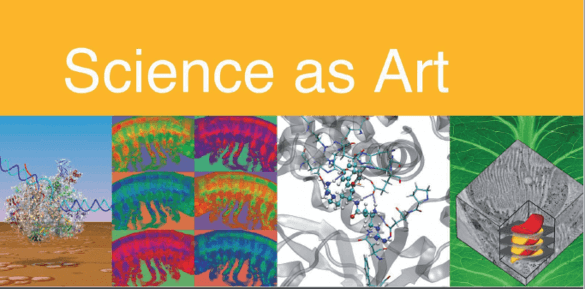
linker Hand: Broschüre (zusammengestellt von Maj Britt Hansen, Freddy Frischknecht und Mehrnoosh Rayner) zur Posterausstellung im Rahmen des Ehemaligentreffens 2010.
News - Frischknecht Group
Interview mit F. Frischknecht
(19. September 2024)

Anlässlich des Jahresberichts 2023 des Universitätsklinikums Heidelberg wurden Prof. Till Bärnighausen (Heidelberger Institut für Globale Gesundheit) sowie unser AG-Leiter Prof. Friedrich Frischknecht zum spannenden Thema “Mücken und Menschen” interviewt. Ein sehr lesenswerter Einblick, umso mehr da nebenbei auch der Infektionsweg der Malaria erklärt wird. Den kompletten Jahresbericht 2023 gibt es hier
Neuer Artikel der AG Frischknecht
(5. August 2024)

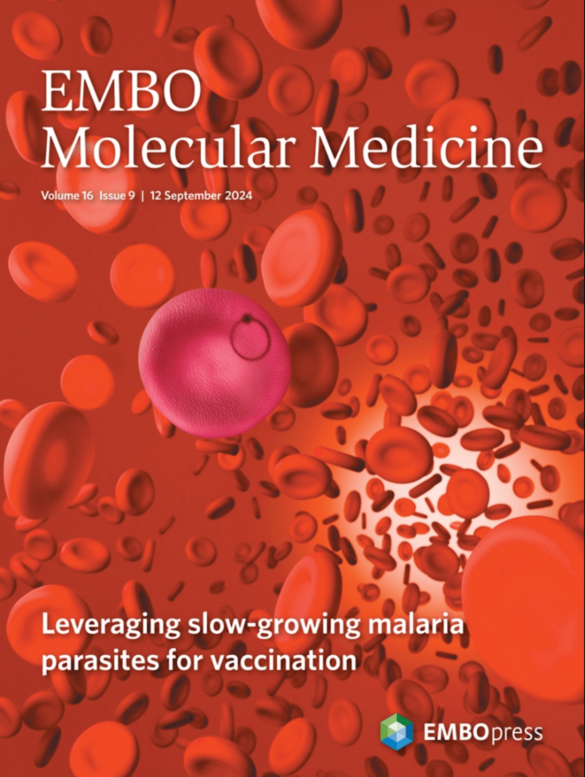
Probier's mal mit Gemütlichkeit: Sehr langsame Malaria-Erreger könnten sich als Impfstoff eignen
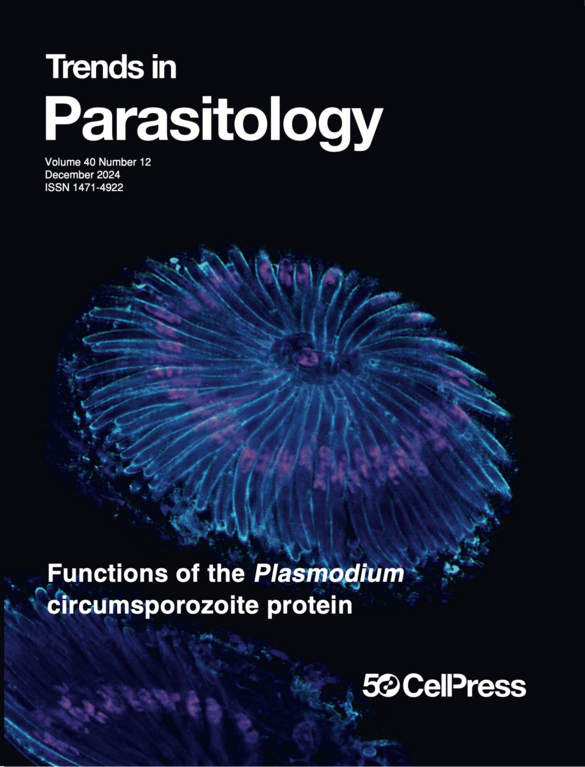
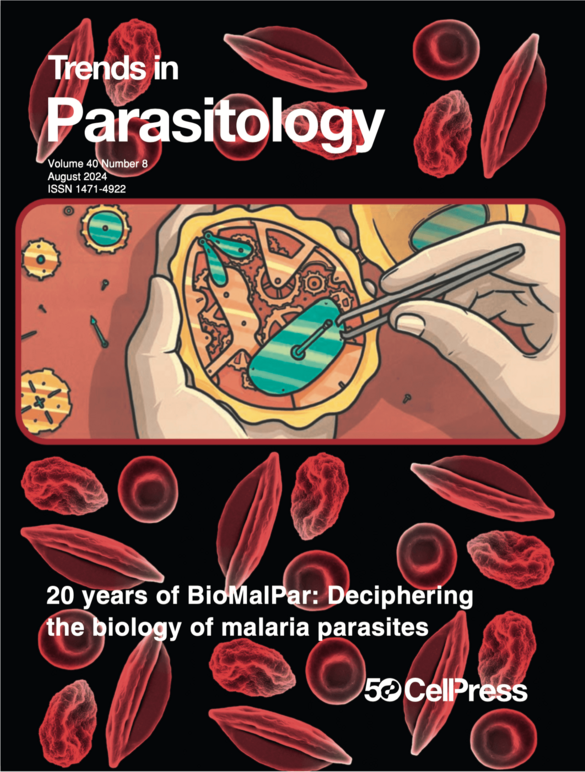
Das Team der AG Frischknecht sowie Kooperationspartner innerhalb des Deutschen Zentrums für Infektionsforschung haben im Tierversuch erfolgreich einen neuen Ansatz für eine Malaria-Impfung getestet: Als Impfstoff verwendeten sie genetisch veränderte Malaria-Parasiten, die sich zwar in der Mücke normal, in der Maus jedoch deutlich verlangsamt entwickelten. Bei späterer Infektion mit unveränderten Erregern waren die Nagetiere vor schweren Erkrankungen geschützt, Malaria-typische Symptome traten nicht auf. Die Ergebnisse sind im Journal EMBO Molecular Medicine erschienen.
Kontaktdaten:

Prof. Dr. rer. nat. Friedrich Frischknecht
W3-Professor für Integrative Parasitologie
Schwerpunkt
Malaria-Forschung